 Published December 4, 2025
  read
read
CCSPayment scam explained: how to stay safe from fake debt collectors
CCSPayment (by Credit Collection Services) can be a fully legitimate U.S.-based debt collection agency, but that doesn’t stop scammers from impersonating it with fake debt collection notices.
Debt collection scams are on the rise as a form of phishing attacks, using deception, manipulation, and impersonation to trick people into sending money and sharing sensitive information with the scammers. CCSPayment appears to be just another brand name in the line of impersonated companies scammers exploit in this way.
In the article below, you’ll learn whether CCSPayment is legit, how to make sure you’re getting a genuine call from CCS debt collectors, and the steps you can take to protect yourself from debt collection scams in general.
What is CCSPayment (CCS Offices)?
CCSPayment is a legitimate payment portal run by CCS Companies (mistakenly named CCS Offices in some cases), a legitimate debt collection agency based in Norwood, Massachusetts, USA. CCS Companies is one of the largest national providers of business process outsourcing services, including debt collection on behalf of creditors, operating since 1966. Their CCSPayment portal, now found at https://self-service.ccsusa.com/, allows for client self-service and supports debt repayment operations.
Who does CCS Offices collect for?
CCS Offices (or, correctly, CCS Companies) represents many consumer creditors who either outsource their debt collection function to CCS or just sell outstanding debts to the agency. Among CCS’s corporate clients are government agencies, healthcare providers, retail companies, banks, and insurance companies, among others.
Is CCSPayment legit or a scam?
While the www.ccspayment.com scam often comes up in relation to the company, the original debt collection agency does exist and provides legally sound services. At the same time, scammers exploit its brand name just like so many others—think fake Apple security alerts, Norton LifeLock scam emails, or Xfinity scams.
Because of the agency’s legitimacy, scammers find it effective to impersonate a trusted company and pressure people into revealing their personal information or making payments driven by the anxiety and fear typically associated with outstanding debts. Since many are cautious about ruining their credit score, they’re more likely to act quickly and repay the debt before checking the legitimacy of the notice.
Another factor contributing to the effectiveness of CCSPayment scams is that few consumers are familiar with CCS Companies before receiving a notification. Since the agency acts as a third-party provider on behalf of other companies, customers typically associate their debts with their original creditors, making it harder to distinguish a legitimate debt collection agency from a fake one.
How CCSPayment scams work
Because awareness of how legitimate debt collection agencies operate is low, scammers exploit this gap and fabricate messages to force people into paying or contacting them.
A typical CCS scam starts with a phone call, text, email, or letter claiming to be from CCS and mentioning an outstanding debt you may or may not recognize. The message might reference a general type of debt (such as for a medical or utility bills) with no specifics, intended to make you panic and reach out or click a link to learn more.
A phone-based variation of the CCSPayment scam is a CCS Offices call, where the caller uses a spoofed phone number to appear legitimate but immediately hangs up once the call is answered. This can be a form of vishing (voice-based phishing), triggering people to call back, connect with the scammers, and reveal sensitive information.
Links and contact details in such forged messages are typically spoofed to look genuine but actually lead to malicious websites designed to steal the information you enter, or to scammers who will try to harvest your valuable personal details over the phone.
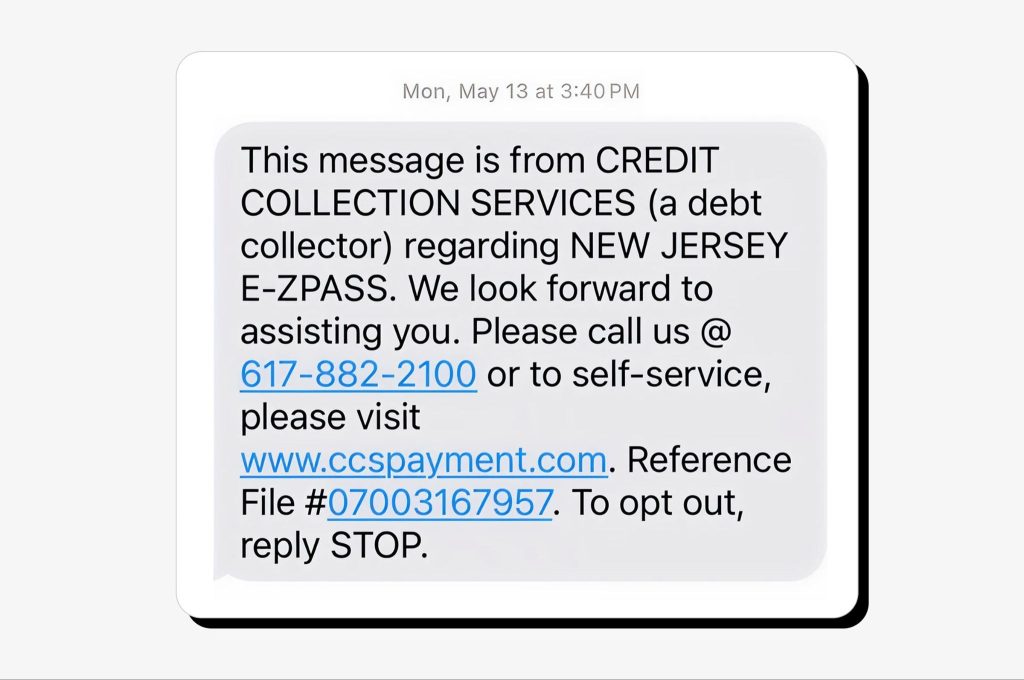
Once on the phone with the scammers, you might be pressured into paying immediately using instant untraceable payment methods such as gift cards, wire transfers, cryptocurrency, or prepaid debit cards. Scammers may also pressure you into giving away your personal details, such as banking information, your Social Security number, government ID, or passwords, under the guise of “validating the debt.”
Often, bad actors use scare tactics and urgency to push victims into acting without verifying the information. They might also threaten legal action, arrest, and wage garnishment.
How to tell if a CCSPayment call or message is legit
The official CCS Companies operate in line with the federal law, including regulations such as the Fair Debt Collection Practices Act (FDCPA), which means they must abide by strict rules of conduct. Checking against these rules can help you determine if you’re talking to a legitimate CCS representative:
- You can’t be contacted at work.
- You can only be contacted during business hours between 8 am and 9 pm in your local time zone.
- You can’t be threatened with a lawsuit.
- Debt collectors should use polite and respectful language, without threats, insults, or any form of abuse.
In addition, there are other ways to verify that a CCSPayment message is legitimate:
- First and foremost, you recognize the debt. Sometimes debt collection agencies may contact you months or even years after the debt occurred, but you can still recognize the debt mentioned.
- You can request a written debt validation notice stating the original creditor, the amount due, and the service it relates to. Legit debt collectors are obliged to provide this information.
- The CCS contact details match those listed on their official website:
- Mailing address: 725 Canton Street, Norwood, MA 02062
- Phone number: (617) 965-2000 (corporate headquarters)
- Website: https://self-service.ccsusa.com/ (self-service), https://www.ccsusa.com/ (parent company)
- Mailing address: 725 Canton Street, Norwood, MA 02062
- They have a proper process for repaying the debt via traceable and transparent payment methods, including bank transfers and debit/credit card payments through their self-service portal.
- Their calls and text messages align with the official letter they mail to your home address.
- CCS reps provide legitimate reference numbers and can share more information upon request, including the company’s license details (if applicable).
CCS impersonators, on the other hand, won’t be able to provide this information and will likely show mismatched contact details. In many cases, they can spoof the caller ID or a website to resemble legitimate CCS contacts, but the links will still lead to malicious websites.
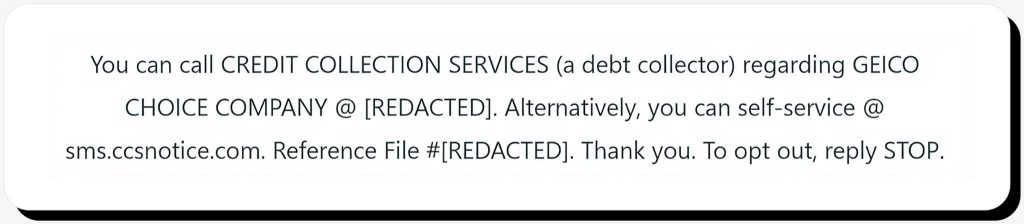
Other signs that you’re talking to a CSS impersonator include the following:
- They pressure you to pay immediately without following official procedure or giving you correct reference numbers for your case.
- You don’t recognize the debt, and your credit report doesn’t show any outstanding balances.
- You’re asked to provide sensitive personal details such as your SSN or bank login.
- The message comes from a strange email address or short code.
- You can’t verify the company’s contact details independently.
What to do if you’ve been targeted by a CCSPayment scam
If you believe you’ve been targeted by a fake debt collector in a CCSPayment impersonation scam, take the following steps to protect your money and information:
- Stop communicating and don’t interact with the message contents. If it’s a legitimate notice, you’ll be able to verify it in the next steps. Don’t share any information, money, or documents until you’ve verified the request.
- Document the scam evidence for further reporting, including contact details, names, message contents, and any other relevant information.
- Request your free weekly online credit report through Annual Credit Report from the three major U.S. credit bureaus—Experian, TransUnion, and Equifax—to check for unpaid debts.
- Verify the alleged debt with CCS Companies directly using their official contact details. Check whether they have a balance or account under your name, and ask them to provide an official debt validation notice if applicable.
- If you shared your financial information with the scammers or sent payments, contact your bank or credit institution immediately to dispute and reverse the transaction if possible. You can also set up fraud alerts to monitor activity in your financial accounts.
- If you shared identity-related information with scammers, consider freezing your credit to prevent identity theft or scammers taking loans in your name.
Reporting CCSPayment scams
Even if you didn’t lose money in a CCS scam, it helps to report it to authorities and regulators, who can then identify patterns in criminal activity and shut down criminal networks. Reporting also helps protect others from falling for the same type of scam.
You can report the scam in the following ways:
- Report it to the U.S. federal agencies, such as the Federal Trade Commission (FTC) and the Consumer Financial Protection Bureau (CFPB).
- Alert your local law enforcement by filing a report with your local police department.
- Inform the real Credit Collection Services (CCS) about the impersonation scam so they can alert their clients and restore their reputation if they’re mistaken for scammers.
- If scammers stole money from you, report financial fraud to your bank or payment card issuer so they can attempt to reverse the transaction as fraudulent.
How to protect yourself from debt collection scams
Debt collection scams are essentially social engineering scams, so the same rules apply for you to stay safe from bad actors’ common manipulative tactics:
- If you get a suspicious message or a phone call from an unknown contact posing as a business or a government agency, never share your personal information or interact with links they share. This can lead to identity theft or stolen banking information.
- Verify the company’s identity and the legitimacy of their request using the official website and contact details, not the information shared in the suspicious message. Do your research independently and don’t rush to act without validating the request first.
- Always ask for written proof of the debt (a validation notice) stating the debt details, the original creditor, and the ways you can dispute the debt. If a debt collector can’t provide this, they’re almost certainly scammers.
- Monitor your credit reports regularly, for example, using free services such as Annual Credit Report, so you know which debts you might have at any given moment and don’t fall for malicious requests.
- Watch out for pressure, urgency, and threatening language as common signs of a scam. Legitimate companies never use these tactics to coerce you into fulfilling legal obligations.
In all cases, trust your instincts. If something feels wrong, it probably is, so pause and take your time to verify the information before taking your next steps.
FAQs
Is CCSPayment a real company?
Yes, CCSPayment (or Credit Collection Services) is a real debt collection agency based in Massachusetts, USA. The agency is operated by CCS Companies, which offers business process outsourcing services to corporate clients and has provided debt collection services for over five decades. However, their brand name is often impersonated by scammers looking to defraud people of money and steal personal information.
How can I confirm if a CCSPayment notice is legitimate?
Go to the official CCS self-service portal at self-service.ccsusa.com and contact them using the contact details listed there. Don’t use the phone numbers or links stated in the debt notice, as these may be part of a phishing scam.
How can I tell if a debt collector is genuine?
Genuine debt collectors follow a strict code of conduct and can provide all related information upon request, including a written debt validation notice, reference numbers, company license details, and available options for disputing the debt.
Can a CCSPayment scam result in identity theft?
Yes, if you share your personal information with scammers, such as your SSN, banking information, address, and government ID, they can exploit it for identity theft. Monitor your credit regularly and report the scam if you shared any sensitive details.
What happens if I ignore a real CCS debt notice?
If the debt is legitimate, it may be reported to credit bureaus, affect your credit score, and result in legal collection action. Rather than ignoring the notice, verify it and confirm the debt is legitimate so you can resolve or dispute it through official procedures.

Dimitri is a tech entrepreneur and founder of Onerep, the first fully automated data removal service. Top cybersecurity CEO of 2021 by The Software Report.