 Last updated January 29, 2026
  read
read
Is Booksi legit? A dive into how it works and what users are saying
Booksi.com is a legitimate platform that offers vacation packages at discounted rates. It’s operated by a registered U.S. travel company, partners with real resorts, and many online reviewers report significant savings.
On the other hand, there are plenty of negative reviews on various platforms as well. Most frequently, people complain about Booksi’s bait-and-switch tactics which range from false advertising and extra fees at checkout to resort substitutions and hotels having no records of bookings/requested stays. Additionally, many mention poor customer service and difficulties getting a refund.
Ultimately, while Booksi is legit, it may not be a great option for those looking for a smooth booking experience and a stress-free holiday.
How does Booksi work?
Booksi is essentially a vacation booking site that offers heavily discounted rates on resorts, hotels, and package vacations. The discounts are typically advertised as 70–80% lower than retail prices on mainstream platforms like Expedia or Booking.com.
Booksi claims to have direct agreements with their resort partners—which is what allows them to offer such exclusive rates. Additionally, bookings come with certain “strings attached”:
- Timeshare presentations, where resorts try to sell memberships, investments, etc. (you’re not obliged to buy).
- Limited availability, with holidays, weekends, and peak travel seasons typically unavailable.
- Stay requirements: you might have to book a specific number of nights or meet other conditions.
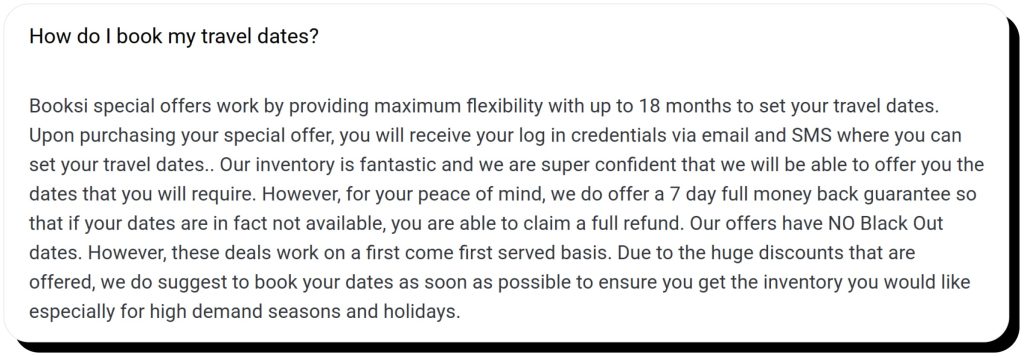
Another thing that differentiates Booksi from many booking platforms is that you pay first and only then choose the dates. The platform claims to provide a period of up to 18 months of available dates and a 7-day full money-back guarantee if your preferred period isn’t available. However, many online reviews state difficulties with getting the refund (more on that further in the article).
Is Booksi trustworthy?
Booksi can be considered trustworthy in the sense that it’s a real travel company registered in the United States. It’s operated by Monster Reservations Group and holds travel licenses in Florida and California. Monster Reservations Group is a family-owned and operated company focused on discounted vacation packages and hotel/resort partnerships. Both platforms make impressive claims on their sites, like having over a million satisfied customers and being ranked # 5 out of all travel sites in the world.
However, those claims seem to be self-reported and aren’t backed by third-party rankings. As for the latter, Booksi has the following ratings online:
- BBB: rated as F (not accredited)
- Trustpilot: 3.5 out of 5 stars based on 3500+ reviews
- Sitejabber: 1.6 out of 5 stars based on 180+ reviews
So, is Booksi a trusted site? Based on online reviews, if you expect full transparency, instant booking, and no fine print, Booksi may not meet your definition of “trusted.” However, if you’re comfortable navigating timeshare deals and are flexible with vacations, you might find a good deal.
Booksi reviews: what are customers saying?
Online customer feedback on Booksi in 2026 is very mixed: some people claim finding great deals, while others report misleading tactics and hidden fees.
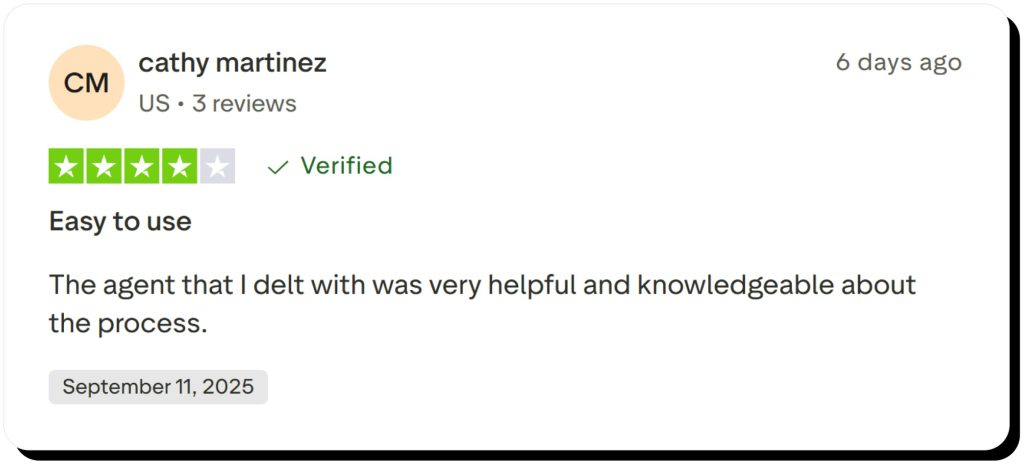
Positive feedback praises the ease of use, helpful customer service, and saving a lot of money.
On the other hand, negative feedback prevails, with the following complaints being most common:
- Timeshare selling pressure: Many customers find 90–120 minute sales presentations aggressive, high-pressure, and disruptive to vacation time.
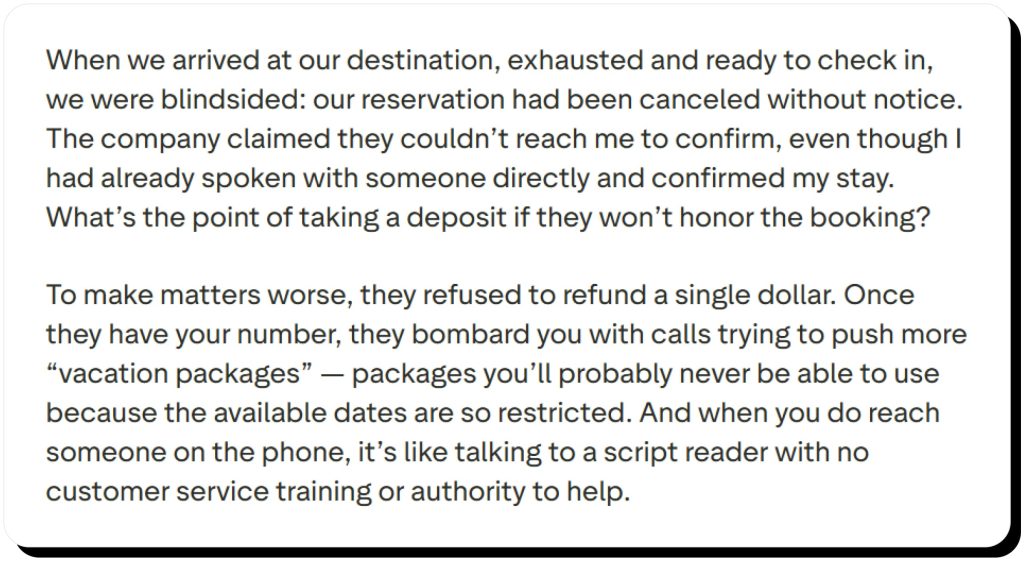
- Problems with refunds and cancellation: A number of Booksi vacation reviews note waiting weeks and even being denied refunds altogether.
- Poor transparency: This includes vague terms and conditions, hidden fees, and unclear disclosure of requirements like minimum days of stay.
- Hotels being unaware of bookings: Some people report the worst-case scenario—arriving at the place of stay but having no accommodation actually booked for them.
The mixed nature of Booksi reviews shows that the service may be beneficial to those tourists who read the fine print thoroughly, don’t mind switching to another hotel, and take an extra minute to confirm the stay. But it’s certainly not as transparent and consumer-friendly as mainstream platforms.
Tips for booking safely with Booksi
If you’re considering booking through Booksi or any similar discount travel site, these tips can help you stay safe:
- Compare with mainstream booking platforms or with hotels directly as there might be a better deal. If the price doesn’t differ much, it’s better to book with a hotel directly.
- Read the fine print and conditions very carefully—they might include unusual requirements or additional payments.
- Contact the hotel/ resort directly to confirm your reservation.
- Pay with a credit card—they typically offer chargeback protection, so it’ll be easier to get your money back if the promised holiday isn’t delivered. If available, you may opt for another safe option like Apple Pay.
- Be aware of timeshare presentations: check if they’re mandatory and what’s expected.
- Watch for hidden fees. These may include daily resort fees, taxes, parking charges, or surcharges for amenities like Wi-Fi or housekeeping.
- Document everything: save booking and payment confirmations and make screenshots of offers so that you have evidence of what exactly you paid for.
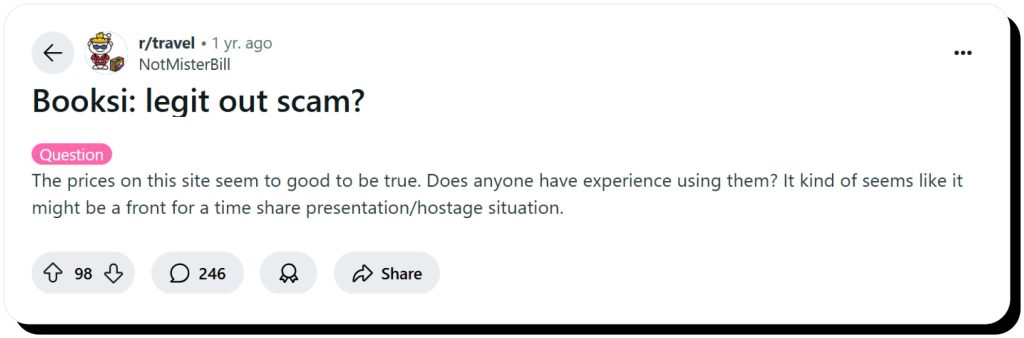
- Check reviews online. This must be done not only on the platform you book, but on third-party ones as well. Sites like Reddit where people share their opinions about any topic possible may also provide a useful insight (just make sure you understand the limitations of Reddit before fully trusting the info).
How to identify travel booking scams
Even platforms with identity verification and strict policies in place still aren’t immune to scammers who find a way to bypass those safeguards and defraud travellers. To minimize your risk of becoming a victim, always keep an eye out for the following red flags:
- Overly generous prices. Everyone likes a steep discount, but if there’s no clear reason behind it (timeshare promotion, off-season dates), it might be a bait-and-switch scheme.
- Unusual payment methods. Wire transfers, gift cards, prepaid cards—these don’t provide the necessary protections you can rely on in case of fraud.
- No company background. This includes professional licenses, physical addresses, and contact details. A legitimate company will have various means of communication—not a sketchy email address alone.
- Lack of third-party reviews. If opinions are posted only on the travel site and there’s nothing else on independent platforms, it’s better to avoid it.
- Inconsistent or poorly written terms and other content. Look for any fees that emerge during checkout unexpectedly, important conditions hidden in the fine print, or unprofessional language and design—legitimate companies lay everything out clearly.
Alternatives to Booksi
Booksi is far from being the only platform to book vacations, even discounted ones. Depending on your preferences, you might want to consider the following:
Traditional online booking platforms: Expedia, Booking.com, and Hotels.com are reputable and trusted sites. They aren’t as cheap as Booksi, but they also don’t have any “strings attached” and provide better customer protection.
Discount and flash deal sites include Travelzoo and Priceline. Neither requires timeshare presentations or hidden obligations.
An interesting option might be membership-based travel clubs like Costco Travel or AAA. These offer members exclusive vacation packages, cruises, and hotel deals at competitive rates, often with added perks like gift cards or upgrades.
But the best option of all is direct booking with hotels. They also have promotions and seasonal deals, but you’ll often get clearer cancellation policies, loyalty rewards, and better customer support without a middleman.
These alternatives may not always match Booksi’s rock-bottom prices, but they typically offer more peace of mind, making your vacation less stressful.
Final verdict: Is Booksi legit?
Yes, Booksi is a legitimate company that offers vacation packages at discounted rates. Some travelers benefit from substantial savings compared to traditional platforms and access to popular and appealing destinations.
However, the drawbacks are just as important to consider. Many deals are tied to mandatory timeshare sales presentations, restrictions and hidden fees often appear in the fine print, and the platform lacks the same level of transparency and reliability that mainstream booking sites provide.
The verdict? Booksi may be an option for low-end travelers who examine the offers properly and don’t mind listening to a sales pitch. If you value safety, transparency, and peace of mind, you might want to consider other options.
FAQs
Is Booksi Vacations legit?
Yes, Booksi Vacations is a legitimate platform. However, it doesn’t have a solid reputation online as many travellers report negative experiences. The most common complaints are hidden conditions like timeshare presentations, blackout dates, or strict refund policies (with some people claiming they were denied refunds).
Is Booksi a scam?
No, Booksi is not a scam. It’s a legit platform for booking discounted vacations and has numerous positive reviews online. However, it has many negative reviews as well, with people reporting difficulties in getting refunds, unexpected charges, and customer service that doesn’t always resolve issues quickly.
What are the benefits of using Booksi Vacations?
Booksi provides steep discounts, often 70–80% below standard retail rates. However, these come with caveats: many deals require attending timeshare presentations, navigating blackout dates or minimum stay rules, and accepting stricter refund and cancellation policies than mainstream booking sites.




Mark comes from a strong background in the identity theft protection and consumer credit world, having spent 4 years at Experian, including working on FreeCreditReport and ProtectMyID. He is frequently featured on various media outlets, including MarketWatch, Yahoo News, WTVC, CBS News, and others.